
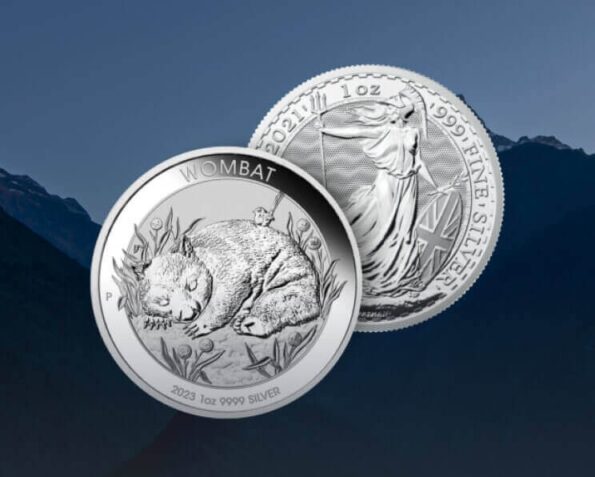
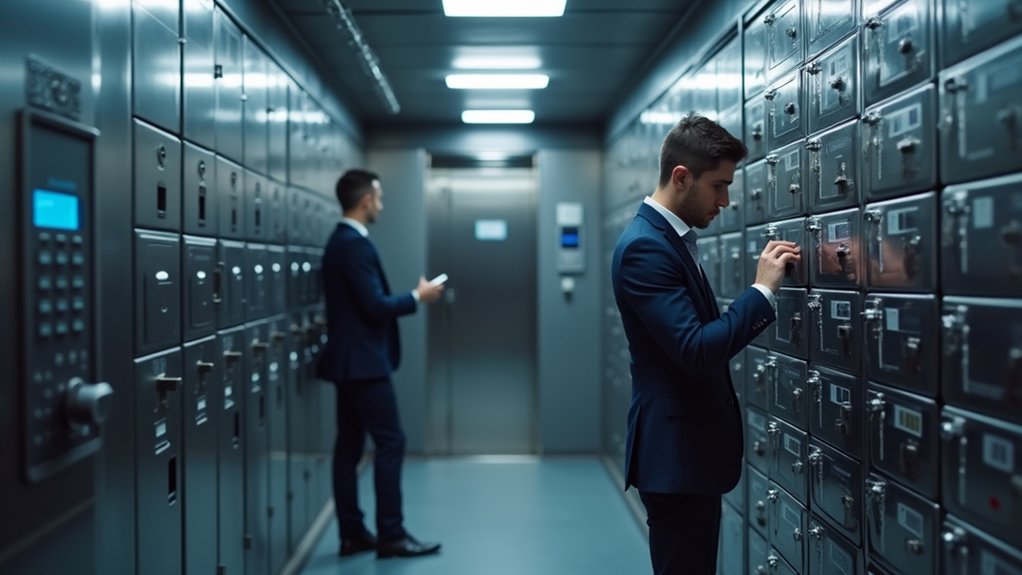
When storing silver, we need to evaluate three key approaches: home safes, bank deposit boxes, and professional vaults. Home storage requires temperature control (60-70°F), low humidity, and robust security systems – though it offers immediate access. Bank boxes provide moderate security but limited hours, while professional vaults offer ideal protection through 24/7 surveillance and climate control. Each option has distinct cost-benefit tradeoffs that warrant careful analysis before making your final storage decision.
Understanding Silver’s Unique Storage Requirements
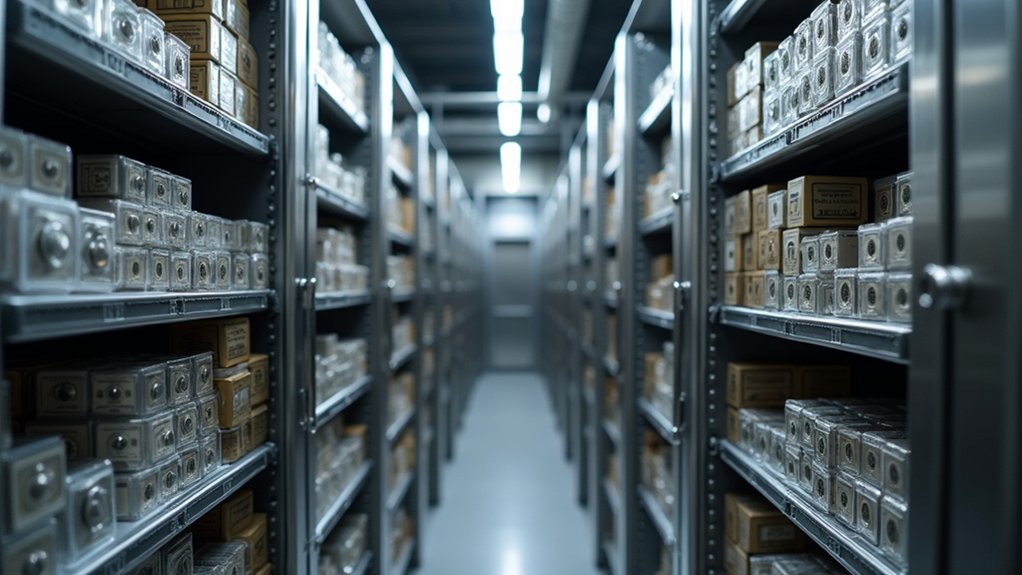
When it comes to protecting your silver investments, understanding the unique storage requirements is absolutely essential.
We’ll show you how proper environmental control considerations and tarnishing prevention techniques can safeguard your precious metal holdings.
Silver’s sensitive nature demands specific storage conditions. We must maintain temperatures between 60°F and 70°F while keeping humidity levels low.
Store silver with precision: maintain 60-70°F temperatures and minimize humidity to preserve its pristine condition.
Since silver reacts with air, especially sulfur compounds, we need airtight containers to prevent that dreaded black discoloration. Archival-grade materials provide the safest long-term protection against harmful chemical reactions.
It’s also softer than gold, so we’ll store it separately to avoid scratches.
Let’s be smart about material interactions too. We’ll keep silver away from rubber and certain paints that can trigger chemical reactions.
Many collectors use cotton gloves when handling their silver pieces to prevent oils from causing unwanted tarnishing.
Home Storage: Setting Up a Secure Environment
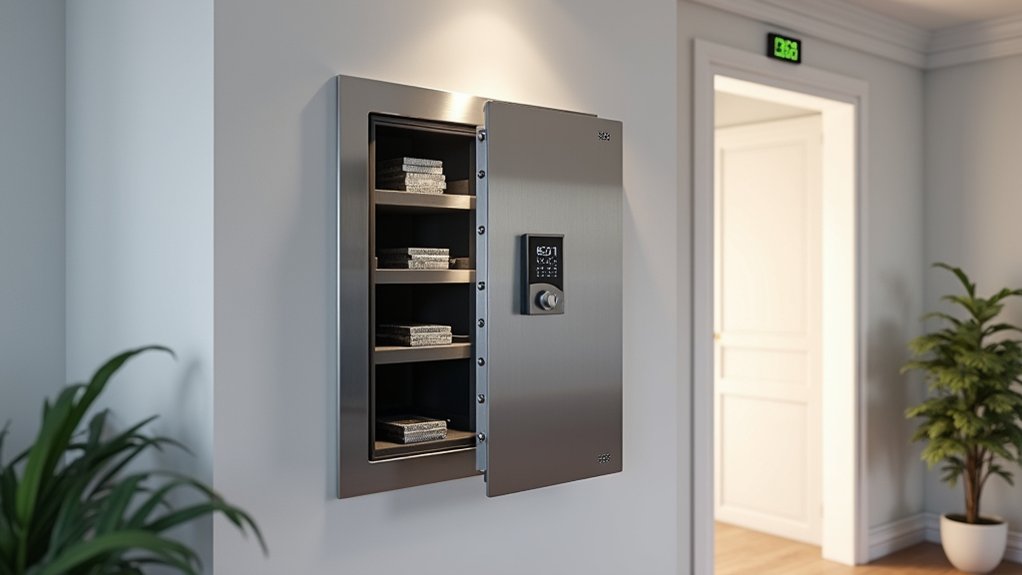
Now that we’ve established proper environmental controls, let’s focus on creating a fortress-like storage setup in your home. The first step is analyzing your home layout to identify ideal secure placement locations that aren’t obvious to visitors or intruders.
We recommend installing a high-quality floor-mounted safe weighing at least 300 pounds in a discreet area, concealed behind furniture or false walls. Consider integrating storage into built-in furniture for an extra layer of concealment.
Don’t rely on a safe alone – layer your security measures. Install motion sensors and surveillance cameras around storage areas, and consider using decoy safes to mislead potential thieves.
We’ve learned that the old hollow-book trick won’t fool anyone anymore. Instead, create multi-layer hiding strategies like placing your safe under floorboards, then covering it with carpet and heavy furniture. Maintaining temperature-controlled spaces between 60°F and 70°F is crucial for preserving your silver’s condition long-term.
Bank Safety Deposit Box Essentials
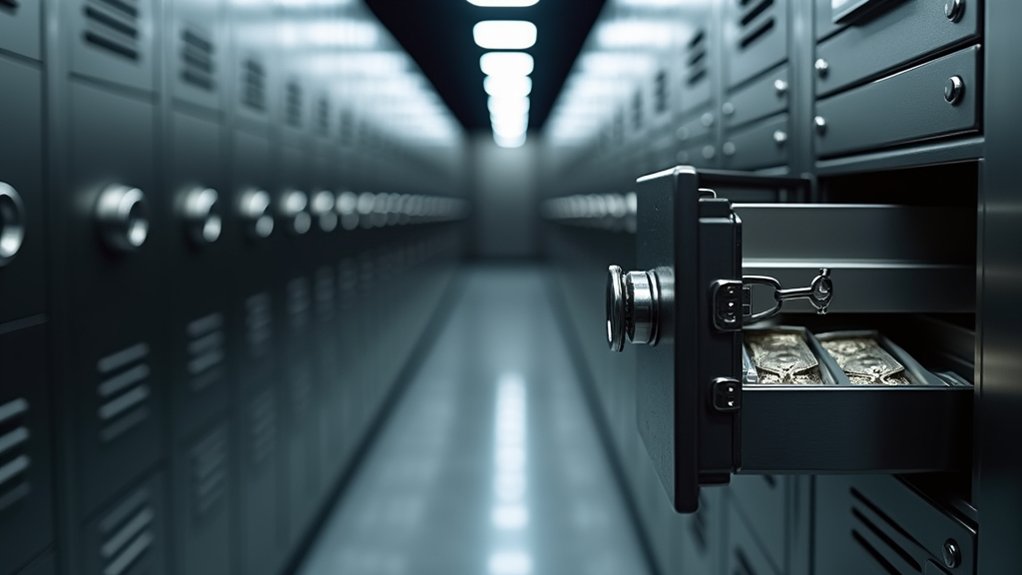
When considering a bank safety deposit box for silver storage, we’ll need to account for restricted access hours that typically align with regular banking hours. This can limit our ability to retrieve assets during evenings, weekends, and holidays.
We’re looking at annual rental fees ranging from $20 to $300 depending on box size and location, plus potential locksmith charges of $150-300 if we lose our key. Neither the bank nor FDIC provides insurance for the contents of safety deposit boxes. Performance and security measures by leading providers help protect assets stored in bank facilities.
It’s vital that we factor these practical limitations and costs into our silver storage strategy, especially if we’re planning to actively trade or need frequent access to our precious metals.
Access Hours and Limitations
Despite the convenience of ATM banking, accessing a bank safety deposit box comes with strict limitations that you’ll need to plan around.
Access restrictions limit entry to normal banking hours, typically Monday through Friday, with some branches offering Saturday service. You won’t have access on Sundays or holidays, regardless of ATM availability.
We recommend planning ahead since banks can change their hours without notice and may deny access during emergencies or unsafe conditions. During emergency closures, you won’t be able to retrieve your items – even in urgent situations.
For assistance with access or scheduling, you can call 800.432.1000 during extended weekday and weekend hours.
Many banks now require appointments for box access, and you’ll need proper ID and your keys each time. Two keys are provided to each renter when the box is first opened. Remember, while safe deposit boxes offer security, their limited accessibility means you shouldn’t store anything you might need immediately.
Locksmith and Key Costs
Understanding your safe deposit box’s key and locksmith costs can save you significant money and hassle down the road.
Most banks implement rigorous security checks for accessing safety deposit boxes to prevent unauthorized entry.
To protect valuable items like rare collectible coins, a safe deposit box provides secure storage away from home.
We’ll help you navigate key replacement options and locksmith service costs to protect your investment wisely.
When you lose one key, replacement fees range from $15-50 at major banks, with PNC offering the lowest rate.
However, if both keys disappear, you’re looking at substantial drilling costs between $125-200, plus additional charges for lock replacement.
Banks like Wells Fargo charge $125-175, while TD Bank sets their rate at $200.
Professional Vault Services and Their Benefits
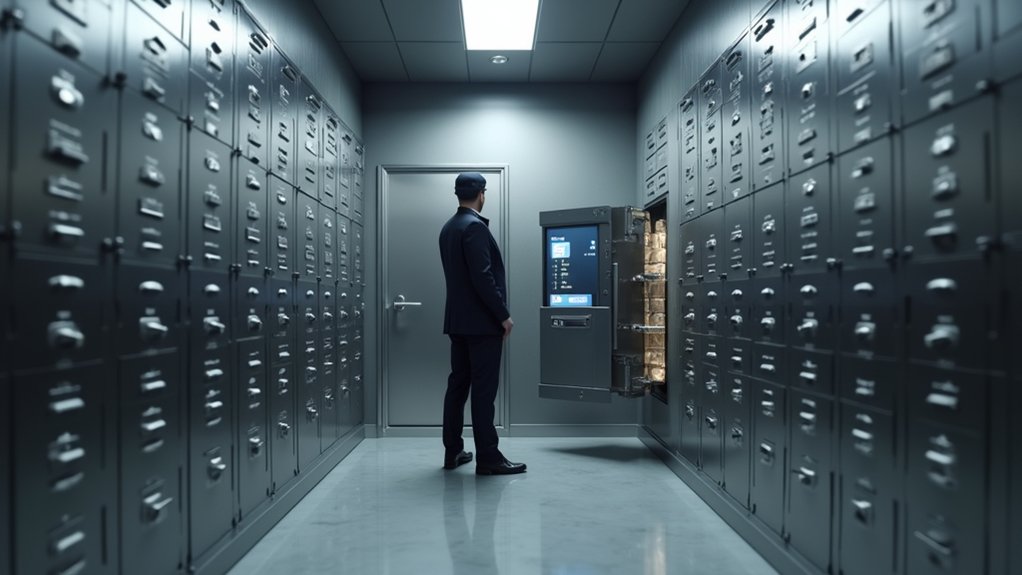
Although securing precious metals requires careful consideration of storage options, professional vault services stand out as the gold standard for protecting valuable silver assets. When we examine vault security features, we’ll find state-of-the-art systems including biometric controls and 24/7 surveillance. Asset segregation guarantees your silver stays separate from others’ holdings, while independent audits verify your investment’s presence and condition.
| Feature | Benefit | Value |
|---|---|---|
| Class 3 Security | Institutional Protection | Maximum Safety |
| Segregated Storage | Individual Ownership | Legal Protection |
| Regular Audits | Asset Verification | Peace of Mind |
Professional vaults offer cost-effective solutions that often beat the combined expense of home safes and insurance. They’ll protect your silver from environmental damage while maintaining strict privacy standards. We can’t overlook their regulatory compliance, which guarantees your investment meets all legal requirements.
International Storage: Going Beyond Borders
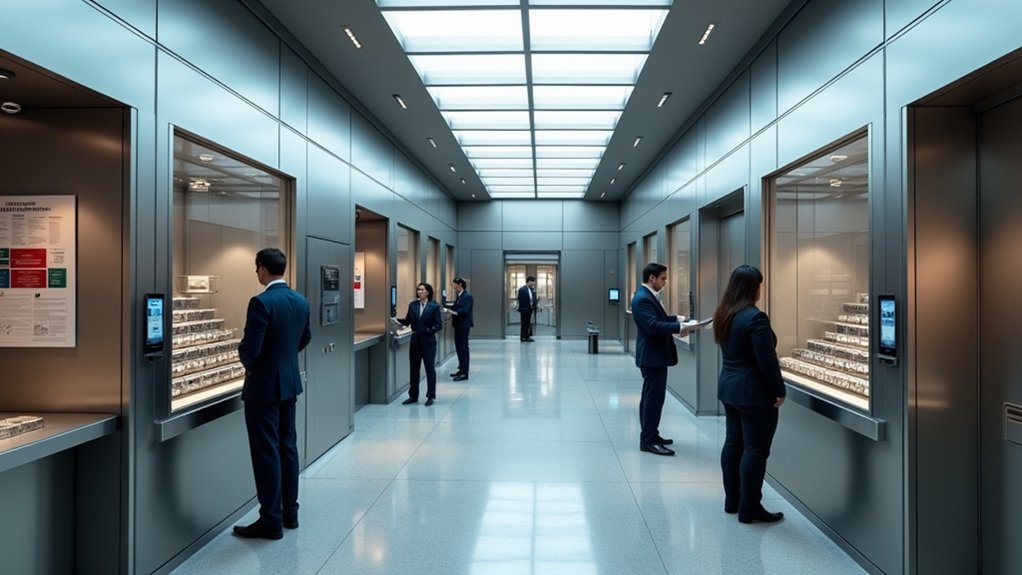
When safeguarding silver assets reaches beyond national borders, international storage solutions offer compelling advantages for investors seeking enhanced protection and diversification.
We’ve identified several leading international hubs that excel in security, accessibility, and regulatory frameworks. Singapore stands out with its modern infrastructure and tax-friendly policies, while Switzerland maintains its historic position as a trusted vault destination.
Singapore and Switzerland lead the way as premier silver storage destinations, offering world-class security and investor-friendly environments.
Our recommended storage strategies focus on leveraging these global options.
We’ll often suggest combining locations like Dubai’s tax-free zones with New Zealand’s geographical isolation to create a robust portfolio defense.
Through providers like IDS Group and Brinks, we’re seeing enhanced digital access to inventories and seamless cross-border transfers.
These solutions deliver the perfect blend of security, flexibility, and peace of mind for serious silver investors.
Comparing Annual Storage Costs
When we look at annual silver storage costs, we’ll find bank vault fees averaging $225-300 per year compared to private vault facilities that often exceed $500 annually.
Home storage might seem free but comes with hidden expenses like insurance and security systems that can surpass professional storage costs in the long run.
International storage adds another layer of complexity to pricing, with overseas facilities typically charging 20-30% more than domestic options while offering advantages like jurisdictional diversification and enhanced privacy protections.
Bank vs. Vault Pricing
As investors weigh their silver storage options, understanding the stark pricing differences between bank safe deposit boxes and private vaults becomes essential. The valuation methods couldn’t be more different – banks charge fixed annual fees ranging from $15 to $300 based on box size, while vaults typically charge a percentage of asset value, often around 0.84% annually.
We’ve found that insurance options create the most significant cost distinction. Banks offer no coverage for your silver, while vaults include extensive insurance policies through respected carriers like AXA.
Let’s put this in perspective: A $35,000 silver holding costs about $24.50 monthly at a vault but might only cost $100 annually at a bank.
However, that lower bank fee comes with substantial risks since your precious metals aren’t insured.
Home Storage Cost Analysis
Though many investors initially view home storage as a cost-effective solution for their silver holdings, our thorough analysis reveals a more complex financial picture.
When we factor in quality safe features, installation costs, and increased home insurance premiums, the upfront investment typically ranges from $700 to $4,000. These costs don’t end there.
Annual maintenance presents another significant expense. We’re looking at $50-200 for safe servicing, plus substantially higher insurance premiums that can exceed $1,000 yearly.
Add in security system monitoring fees and periodic upgrades, and the total annual cost often matches or surpasses professional storage fees.
While home storage eliminates recurring vault rental charges, the combined expenses of proper security and insurance make it less economical than many assume.
International Fee Considerations
Three major fee structures dominate the international silver storage landscape: fixed monthly minimums, percentage-based annual rates, and hybrid models combining both approaches.
When we’re storing silver internationally, we must factor in shipping fees, insurance costs, and regional variances that can greatly impact our bottom line.
Global compliance requirements and currency exchange rates add complexity to international transactions. We’ve found that costs vary widely – from OneGold’s 0.30% annual rate at the Royal Canadian Mint to higher bank vault fees around 0.72%.
Remember, withdrawal fees can bite – they’re often separate from storage costs and vary by country.
Let’s not forget our investor responsibilities: we need to carefully evaluate each facility’s fee structure, considering both direct storage costs and associated international charges before committing to overseas storage solutions.
Security Protocols and Insurance Coverage
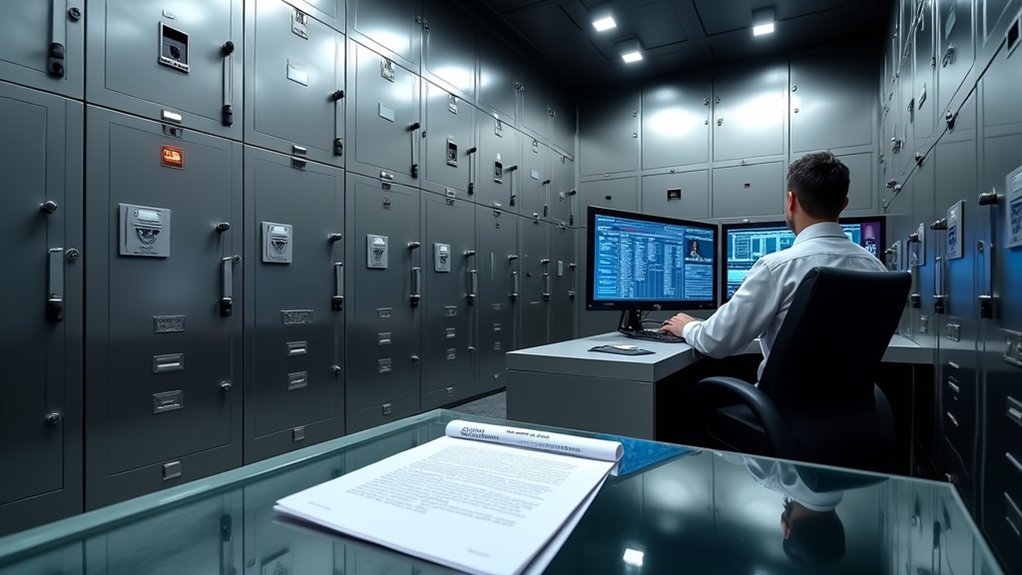
Securing and insuring silver investments requires a thorough understanding of both physical protection measures and financial safeguards. When conducting insurance assessments, we must guarantee extensive coverage against theft, damage, and mysterious disappearance.
Professional vault facilities offer superior risk management through their robust security protocols and specialized insurance coverage.
- Documentation is critical – maintain detailed photographs, appraisals, and purchase records for smooth claims processing.
- Regular policy reviews are essential to keep coverage aligned with current silver valuations.
- Choose storage providers with strong security measures like 24/7 surveillance, biometric access, and monitored alarms.
We’ve found that private vault storage often proves more cost-effective for insurance purposes compared to home storage or bank safe deposit boxes, which typically lack extensive coverage.
Professional facilities’ enhanced security measures result in better insurance terms and greater peace of mind.
Accessibility and Liquidity Factors
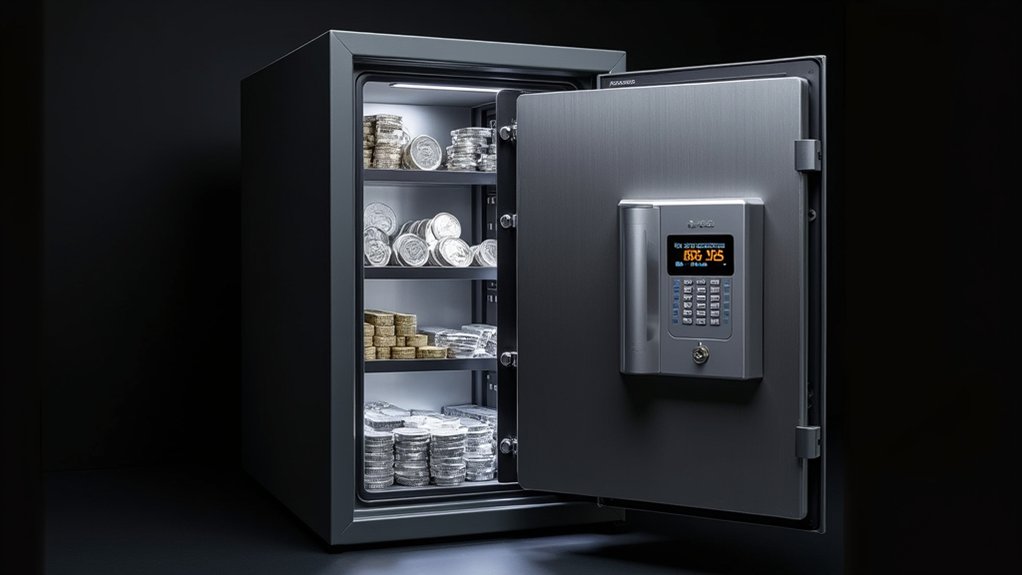
While robust security measures protect silver holdings, the ability to quickly access and liquidate assets remains central to effective storage planning.
We’ve found that storage location dramatically impacts liquidity challenges, with each option presenting distinct trade-offs between accessibility solutions and security.
Home storage offers immediate access but may reduce buyer confidence, while bank safe deposit boxes balance security with restricted hours.
Professional vaults provide documented segregation and authenticity verification that can enhance resale value, though their formal withdrawal procedures may delay access.
We recommend carefully weighing these factors against your needs – quick access for emergency funds might favor home storage, while long-term holdings benefit from vault services despite higher fees and processing times.
Tax Implications and Legal Compliance

Since tax regulations fundamentally shape silver investment returns, understanding the complex legal framework can’t be overlooked.
We’ve found that proper tax assessment begins with meticulous record-keeping of purchase dates, costs, and sale proceeds. When storing silver, we must maintain documentation that supports our compliance guidelines and reporting requirements.
- Physical silver faces a maximum 28% long-term capital gains tax rate as a collectible, while short-term gains align with ordinary income rates.
- Self-directed IRAs offer tax advantages but require specific custodial arrangements and higher administrative fees.
- Strategic choices between physical holdings, ETFs, and mining stocks can greatly impact our tax obligations.
Dollar-cost averaging with regular silver purchases can help minimize tax exposure while smoothing out market volatility over time.
People Also Ask
How Often Should I Physically Inspect My Stored Silver for Tarnish or Damage?
We recommend inspecting your stored silver every 2-3 months for tarnish prevention, though you’ll need more frequent checks if storage conditions aren’t ideal or you notice early signs of damage.
Can I Store Different Types of Precious Metals Together in One Space?
While you could store a million different metals together, we don’t recommend it. Instead, we suggest using separate storage containers to prevent precious metal compatibility issues and potential tarnishing.
What Humidity Level Is Ideal for Long-Term Silver Storage?
We recommend keeping humidity below 40% for ideal silver preservation, ideally between 20-40%. For best humidity control, use desiccants and airtight containers to protect your silver from tarnishing.
Should I Keep Photographic Evidence of My Stored Silver Collections?
Just as we preserve our precious memories, we absolutely recommend keeping photographic documentation of your silver. It’s essential for insurance claims, inventory tracking, and monitoring condition changes over time.
How Do Power Outages Affect Electronic Security Systems Protecting Stored Silver?
We’ll face security vulnerabilities during outages unless we’ve installed proper power backup systems. Let’s guarantee our security stays active with UPS, generators, and cellular backup for continuous protection.
The Bottom Line
We’ve explored every facet of silver storage, from home safes to international vaults, ensuring you’ll make informed decisions about protecting your precious metal investments. Whether you choose a bank deposit box, professional storage facility, or properly secured home solution, remember: proper storage preserves value, adequate insurance protects assets, and strategic placement optimizes accessibility. Your silver’s security depends on implementing these proven storage principles consistently and systematically.
If you’re looking to buy physical precious metals like silver, you can do so directly through BlokGold, a leading crypto precious metals exchange. BlokGold allows you to purchase real, physical precious metals using cryptocurrency, eliminating the financial risk and delays associated with traditional precious metals dealers. With BlokGold, you can access cutting-edge precious metals purchasing today rather than waiting for future market opportunities or making expensive traditional dealer commitments. Visit BlokGold.com to learn more about buying physical precious metals with crypto.
References
- https://www.geeksforgeeks.org/finance/safe-deposit-box-work-advantages-disadvantages-cost/
- https://www.trustworthy.com/blog/information-management/safety-deposit-boxes-cost
- https://ohalllaw.com/pros-and-cons-of-using-a-bank-safety-deposit-box-for-storing-estate-planning-documents-insights-from-tampa-probate-lawyers/
- https://www.legalmatch.com/law-library/article/safe-deposit-boxes.html
- https://www.bankofamerica.com/content/documents/deposits/safedepositbox_disclosures.pdf
- https://www.fdic.gov/consumer-resource-center/five-things-know-about-safe-deposit-boxes-home-safes-and-your-valuables
- https://metalsedge.com/silver-storage/
- https://www.blanchardgold.com/resources/how-to-store-silver-coins/
- https://www.physicalgold.com/insights/all-you-need-to-know-about-storing-your-silver/
- https://www.canada.ca/en/conservation-institute/services/preventive-conservation/guidelines-collections/metal-objects.html


