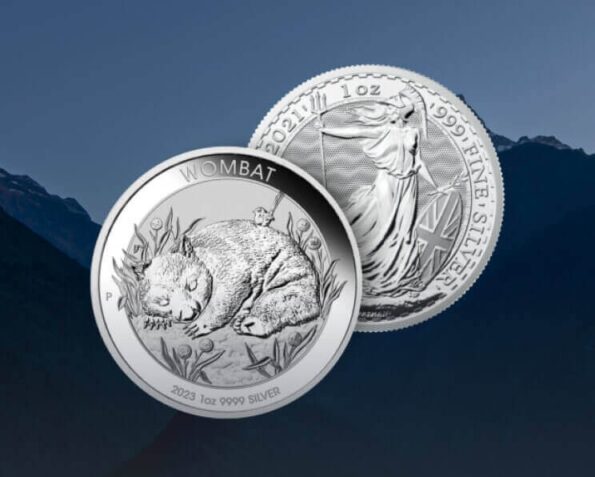

Traditional gold dealers charge markups of 250-475% through hidden fees, spot price manipulation, and complex pricing structures. We’ve found that basic bullion sees 10-20% premiums, while premium pieces command 57% markups. In contrast, Bitcoin platforms offer more transparent pricing with transaction fees between $0.15-$25, plus 24/7 market access. Understanding these stark differences in costs and accessibility will transform how you approach precious metal investments.
Traditional Gold Dealer Markups: Breaking Down The 250-475% Premium

Three key factors drive the substantial markups in traditional gold dealer pricing: authentication costs, operational overhead, and profit margins.
The high cost of gold dealer products stems from authentication processes, business operations, and dealer profits needed to sustain the market.
We’re seeing dealer authorization requirements and security measures that push basic bullion premiums to 5-8% above spot prices, while jewelry markups can soar to 235% over melt value.
Let’s examine the markup transparency across product categories.
During economic uncertainty like the COVID-19 pandemic, dealers saw their premiums double or triple due to supply constraints.
Bullion coins offer the most reasonable premiums, but even these carry a 2.5-18% markup depending on size.
Numismatic coins command premiums approaching 30%, while semi-numismatic pieces often disguise inflated markups despite having limited collector value.
The most extreme premiums appear in jewelry, where craftsmanship and retail overhead can push costs to 250-475% above gold content value. For a 14K gold piece weighing 3 pennyweights, customers may pay $90 when the actual gold value is $36.
These markups greatly impact investment returns, especially when considering the buy-sell spread at resale.
Traditional dealers often require extensive paperwork requirements and multiple verification steps that further complicate the purchasing process.
Spot Price Padding: How Dealers Mask Their True Premiums

Beyond standard markups, gold dealers employ an even more deceptive pricing tactic we’ve uncovered – spot price padding.
This pricing strategy involves artificially inflating the displayed gold spot price above true market rates to mask excessive premiums.
While dealers may advertise a seemingly modest markup, they’re actually embedding hidden costs within an inflated spot price.
We’ve found that a $50 advertised premium can effectively become $100 or more through this manipulation.
The practice exploits the fact that no single “official” spot price exists. Instead, rates vary slightly across different data feeds and exchanges.
Smart dealers capitalize on this ambiguity, making it harder for buyers to detect inflated prices.
Global financial markets determine spot prices through continuous trading from Sunday evening to Friday afternoon EST.
Dealers commonly raise spot prices during rapid market fluctuations to protect their margins against volatility.
Using hardware wallets for Bitcoin transactions helps ensure secure gold purchases without these hidden premiums.
To protect yourself, always verify spot prices against major exchanges like COMEX before making purchases.
The Real Cost of Buying Gold Coins: From Manufacturing to Retail

Manufacturing starts with pure gold being alloyed and minted, requiring specialized equipment and skilled labor that adds 2-3% to the base metal cost. The process relies on government-operated mints to ensure coins meet strict quality and regulatory standards.
Private mints like Coin-USA Inc bring over 20 years of expertise to crafting premium custom gold coins with detailed embossing and finishes.
Dealer markups then pile on another 5-8% through storage, insurance, and distribution costs, creating a significant gap between spot price and retail price that we can minimize through direct purchasing channels. Investors can minimize volatility by maintaining gold allocation ranges of 15-20% in their portfolios for optimal protection against market downturns.
Manufacturing Cost Breakdown
Manufacturing a gold coin involves numerous cost layers that extend far beyond the spot price of gold itself.
Modern minting technologies demand significant capital investment in precision machinery, skilled labor, and rigorous quality control processes. We’ve found that manufacturing efficiency varies dramatically between full ounce and fractional coins, with smaller denominations costing up to 30% more per gram to produce.
The complexity doesn’t end there. Raw material costs fluctuate daily with global gold prices, while additional metals for lower purity coins add their own expense variables. As countries face rising regulations, production and compliance expenses continue to climb. Just as the Federal Reserve spends between 3.2 to 9.4 cents to print each paper bill denomination, minting costs vary significantly by coin size and composition.
When we factor in compliance requirements, anti-counterfeiting measures, and specialized packaging, the true manufacturing cost emerges.
It’s worth noting that limited edition runs particularly strain resources, as they can’t leverage the same economies of scale as standard bullion production.
Dealer Markup Analysis
While precise manufacturing costs establish a baseline for gold coin pricing, dealer markups represent the most significant factor in what buyers actually pay. We’ve found that dealer markup trends vary dramatically, from modest 2.5% premiums on basic bullion to staggering 475% markups on luxury pieces. To protect yourself, consumer awareness of typical markup ranges is essential. The booming U.S. gold jewelry market projected to reach $64.08 billion by 2025 demonstrates the massive scale of markup-driven profits. Reputable certifying bodies like PCGS and NGC help verify authenticity and condition, which can justify higher dealer premiums.
| Product Type | Low Markup | High Markup | Typical Range |
|---|---|---|---|
| Bullion Coins | 2.5% | 18% | 4-8% |
| Fractional Coins | 20% | 30% | 25% |
| Numismatic Coins | 25% | 100%+ | 40-60% |
| Designer Gold | 40% | 475% | 250-300% |
Let’s be clear: these markups aren’t arbitrary. They reflect real costs like marketing, distribution, and insurance – but savvy buyers should always calculate premiums before purchasing.
True Premium Components
The true premium components behind gold coin costs reveal a complex manufacturing journey that extends far beyond the metal’s market price.
Let’s dissect what really drives premium pricing:
First, there’s the intensive manufacturing process – from smelting and rolling massive gold strips to precision striking with specialized dies.
We’re talking significant overhead in machinery, skilled labor, and quality control.
Then we’ve got design and regulatory costs, where artists and officials must approve every detail.
Don’t forget packaging – those fancy display cases aren’t free.
When we examine transaction transparency, these components explain why dealer premiums vary so widely.
The manufacturing scale matters too – smaller production runs mean higher per-unit costs since setup expenses get spread across fewer coins.
Bitcoin-to-Gold Transaction Fees: A Complete Cost Analysis

Since Bitcoin transactions involve multiple layers of fees, understanding the complete cost structure becomes vital for investors considering gold purchases through cryptocurrency.
We must account for transaction fee variability, which can spike from $0.15 to $25 during network congestion. The blockchain transaction impact extends beyond basic network fees to include exchange costs and platform charges.
We’ll encounter multiple fee layers when converting Bitcoin to gold: network transaction fees, exchange maker/taker fees, and potential currency conversion costs. During peak periods, these fees can represent up to 78% of total transaction costs.
While alternatives like Bitcoin Cash and Bitcoin Gold offer lower fees, they’re separate from traditional Bitcoin networks. Time delays in processing can also add indirect costs through price fluctuations, making fee optimization essential for successful Bitcoin-to-gold transactions.
Traditional banking methods can be even more expensive, as SWIFT transfer fees and international wire costs typically amount to 5-10% of the total gold purchase value.
Comparative Markup Analysis: Traditional Dealers vs. Bitcoin Platforms
Comparing traditional gold dealer markups with Bitcoin-based platforms reveals stark differences in pricing transparency and total transaction costs.
We’ve found that conventional dealers often obscure their true markups through practices like spot price padding, while Bitcoin platforms typically operate with more straightforward fee structures.
Let’s examine the key markup differences across selling channels:
- Traditional dealers charge 10-20% markups on resale coins, climbing to 57% for premium pieces, plus hidden fees.
- Online platforms with eBay/PayPal require roughly 30% margins just to break even.
- Bitcoin-based transactions can bypass many of these traditional markup layers, though exact savings vary by platform.
These markup disparities become even more significant during bull markets, when traditional dealer premiums may compress temporarily but still exceed Bitcoin platform costs for most transactions.
Leading platforms like Bitgild and JM Bullion provide secure Bitcoin-to-gold conversions while maintaining competitive pricing structures through BitPay integration.
Total Cost of Ownership: Gold Acquisition Through Both Channels

When investors analyze the total cost of acquiring gold, they must look beyond the simple purchase price to understand the full financial impact. Gold ownership through traditional dealers incurs premiums of 1-5% plus transaction fees of $20-$50, while storage costs add another 0.5% annually.
We can’t ignore the compliance and operational expenses dealers build into their margins. For a complete cost analysis, we’re looking at several layers of expenses.
Storage fees run $150+ yearly on $100K holdings, and withdrawal charges apply. The cost implications multiply when considering opportunity costs from price volatility and bid-ask spreads.
While Bitcoin platforms may reduce some transaction friction, investors still face storage decisions and potential liquidation delays. Smart investors factor in these cumulative costs when choosing their acquisition channel.
Using cryptocurrency for purchases offers 24/7 market access that can help optimize entry points and reduce overall acquisition costs.
People Also Ask
How Long Should I Hold Gold Before Selling to Avoid Significant Losses?
We’d need a million years to be perfect, but realistically, holding gold for 3-5 years gives us the best investment horizon while avoiding short-term losses and allowing proper market timing.
Which Gold Dealer Insurance Policies Best Protect Against Theft or Damage?
We recommend specialized dealer insurance policies with extensive theft coverage, requiring secure storage facilities, professional appraisals, and high coverage limits that exceed standard homeowner policy restrictions of $1,500.
Can I Buy Gold Anonymously Using Either Traditional Dealers or Bitcoin?
Powerfully private purchases prove partial: We can’t fully anonymously buy gold – traditional dealers limit cash transactions, while digital currency like Bitcoin offers pseudo-anonymity but still leaves blockchain traces and requires ID for large amounts.
What Storage Options Affect Long-Term Costs When Buying Gold?
We’ll pay ongoing storage fees and insurance costs at secure facilities, while home storage saves money but increases risk. Professional vaults charge 0.3-1.0% annually for protection of our gold.
How Do Seasonal Gold Price Fluctuations Impact Dealer Premiums?
We see dealer premiums rise during peak seasonal trends like holidays and cultural events, as dealers adjust their strategies to protect margins and manage inventory risks during predictable demand surges.
The Bottom Line
For investors seeking to preserve wealth, the choice between paying 250-475% premiums through traditional gold dealers or leveraging the efficiency of BlokGold’s crypto-to-gold exchange isn’t just about savings – it’s about smart money management. BlokGold provides immediate access to physical precious metals without massive upfront investment or complicated verification processes, allowing users to buy real gold using digital currency. The future of gold buying is digital, and BlokGold is leading the way as the premier crypto-based precious metals purchasing platform. With BlokGold, investors can securely and cost-effectively acquire authentic gold, eliminating financial risk and accessing cutting-edge precious metals purchasing opportunities today.
References
- https://www.yincitygold.com/gold-education/gold-jewelry-markup
- https://www.kiplinger.com/article/spending/t026-c011-s001-7-ways-not-to-buy-gold.html
- https://www.gainesvillecoins.com/blog/gold-coin-premiums-guide
- https://cmi-gold-silver.com/how-to-spot-the-spot/
- https://www.gainesvillecoins.com/blog/why-gold-costs-more-than-spot-price
- https://nelsonestatejewelers.com/common-questions-about-buying-and-selling-gold/
- https://www.gemsociety.org/article/jewelry-gold-markup/
- https://dfi.wi.gov/Pages/About/NewsEvents/NewsReleases/20230516InvestorAlertPreciousMetalsSchemes.aspx
- https://cmi-gold-silver.com/understanding-spot-prices/
- https://www.jmbullion.com/investing-guide/pricing-payments/bullion-price-spot-price/